
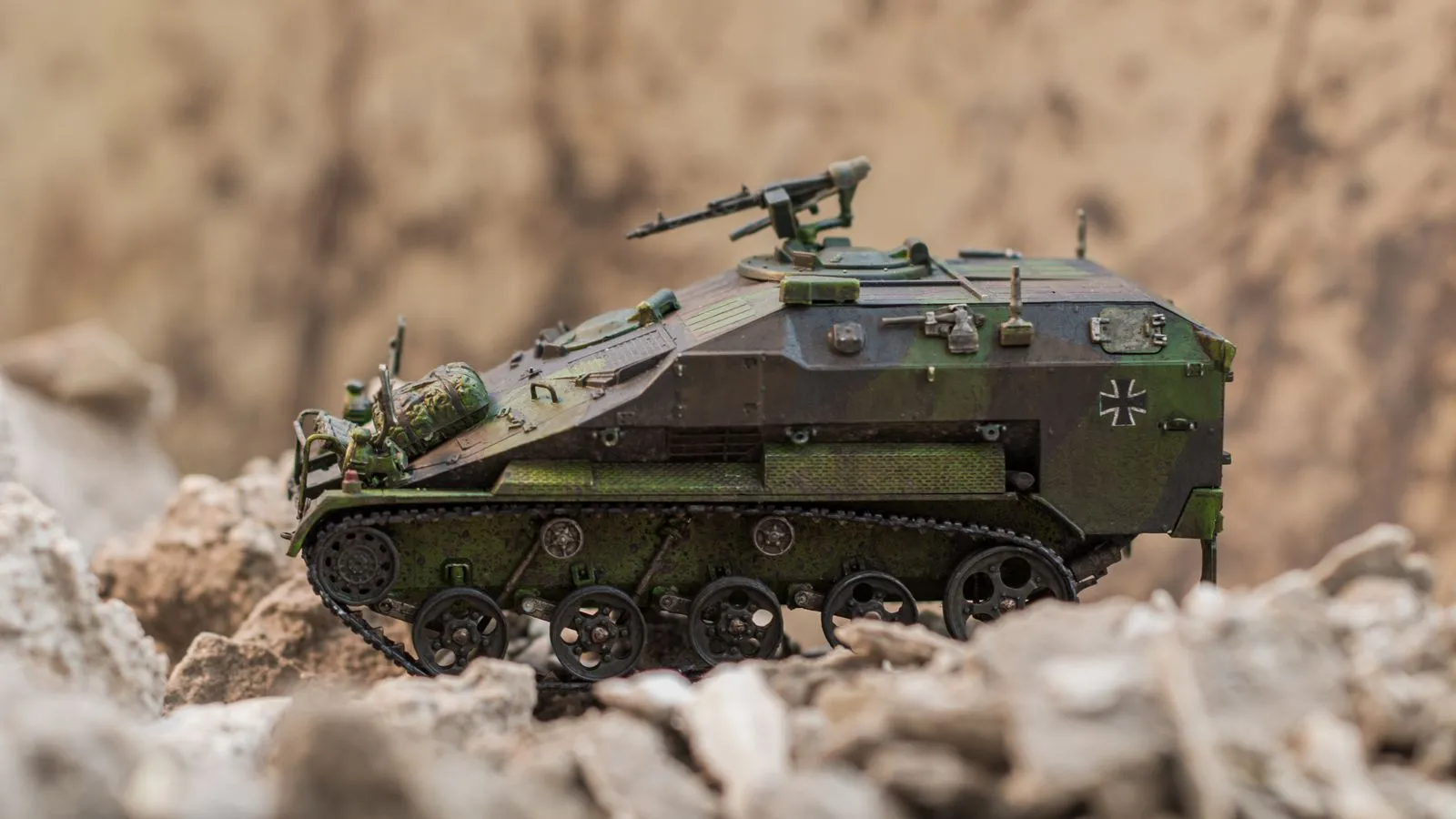
Your first wargaming session is easier when you know what the game needs—and what the host already provides. Before packing, confirm the game system, agreed army size, and whether you’re using a beginner-friendly or standard ruleset. Then gather your miniatures, essential game materials, and a few practical extras. You don’t need a full collection or every accessory to start. A compact, prepared kit helps you learn the game without slowing play or worrying about missing equipment.
Bring the agreed miniatures
Ask which game system and army size the group plans to use. Bring only the miniatures needed for that force, based on the agreed list. If you’re borrowing an army, confirm who is supplying it and whether the models will be clearly identified. Don’t assume that any collection or model can be used; the game may have specific requirements for units, equipment, or how models represent their battlefield roles.
Pack models securely in a case or a box with soft padding to prevent chips and broken parts during travel. Keep small pieces, such as detachable weapons or accessories, in a labeled container. If a model is unfinished or represented by a substitute, check with the other player beforehand. Clear communication about what each miniature represents makes the game easier to follow.
Check rules and army details
Bring the rules for the game you’re playing, along with the current army list or unit reference material you need. A printed copy can be handy, but a digital version works if you can access it reliably. Save relevant files or pages before you leave, and make sure your device has enough battery. Ask whether the organizer provides rulebooks, quick-reference sheets, or a beginner guide.
Have your army list ready and make it easy to check. Include unit names, equipment, and any choices that affect how models play. If you’re new, tell your opponent before the game starts; they can explain steps as they come up and help you find rules. Avoid trying to memorize everything in advance. Knowing where to look is more useful than recalling every detail.
Pack dice and measuring tools
Bring the dice required by your game, usually a set of standard six-sided dice, and check whether it uses any special dice. A small dice bag keeps them together and makes it easy to pass the right number during play. If you’re borrowing dice, confirm that with your host. Avoid bringing so many loose dice that they roll into terrain or get mixed up with another player’s set.
Most games also need a ruler or tape measure marked in the units used by the rules. Check whether the group prefers inches or another measurement. Some players use a movement tray or tokens to keep units organized, but these are not always essential for a first session. Ask what the table supplies before packing extra tools, templates, or markers.
Add a few useful extras
Bring a pencil and paper, or a device for notes, to track scores, turns, or questions. A small set of tokens can help mark effects and objectives if the game uses them, but check whether the host already has a shared supply. A water bottle and a secure way to carry your belongings are sensible additions. Keep food and drinks away from miniatures, books, and the gaming table.
Confirm the session location, start time, expected duration, and any table rules before you go. Arrive with your army packed and your list accessible so setup can begin smoothly. Brisbane Battleworks can help players check what they need for a game, but the most important step is confirming details with your specific host or group.
For your first game, prioritize the agreed miniatures, a usable army list, the right rules, dice, and a measuring tool. Confirm what the host provides, then pack only the extras your game requires. With those basics ready, you can spend less time searching through your bag and more time learning how the game works. Reach out to your host or local game store if you’re unsure what to bring.